

“Casais lésbicos realmente usam brinquedos sexuais… ou estou pensando demais sobre isso?”
Se você já teve esse pensamento e imediatamente o seguiu comAi meu Deus, e se eu soar estranha?, você não está sozinho. Muitos de nós—especialmente os mais novos—se perguntam a mesma coisa em silêncio, tarde da noite, enquanto rolam ou pensam demais após um encontro doce, mas infrequente.
Lésbicas usam brinquedos sexuais?
Resposta curta e sincera: Muitos sim. Muitos não sim.
Alguns casais de lésbicas usam brinquedos sexuais regularmente.
Algumas pessoas os usam ocasionalmente.
Alguns não os usam de forma alguma e estão perfeitamente felizes.
Não há uma experiência universal, e não há uma quantidade "certa" de brinquedos que te torne mais ou menos queer. O sexo lésbico sempre foi criativo, adaptável e pessoal—e os brinquedos são apenas uma parte opcional desse cenário.
O que realmente pensamos sobre brinquedos sexuais?
Aqui está o que muitas vezes se perde em filmes, pornografia e lojas online:
Para a maioria das lésbicas, brinquedos sexuais são ferramentas normais, não pontos dramáticos da trama.
Baseado em conversas e experiências lésbicas, alguns temas surgem repetidamente:
Brinquedos não são grande coisa
Muitos casais não têm uma "conversa sobre brinquedos" formal. Alguém pega um vibrador. Alguém pega lubrificante. Simplesmente... acontece—sem necessidade de PowerPoint.
Brinquedos enriquecem, não substituem.
As mãos, bocas, corpos e intimidade ainda são o coração do sexo lésbico. Os brinquedos adicionam sensações que os humanos não conseguem replicar (como a vibração), mas não substituem a conexão.
Brinquedos atendem a diferentes necessidades
Os corpos são diferentes. As preferências são diferentes. Um parceiro pode adorar uma certa sensação enquanto o outro não—e os brinquedos podem atender a essas necessidades sem pressão ou compromisso.
O que todos têm em comum? Escolha. Não obrigação.
“Como eu trago isso à tona sem morrer de vergonha?”
É nessa parte que muitos LGBTQIA+ ficam presos.
Aquela vozinha dizendo:
-
E se ela achar que eu sou estranho?
-
E se ela rir?
-
E se isso criar uma situação constrangedora?
Primeiro—sua curiosidade não é estranha. Querer explorar o prazer juntos é profundamente humano e profundamente lésbico.
Algumas maneiras de baixo pressão que muitas lésbicas mencionam:
-
Encarar a situação como algo que você gostaria de experimentar.junto, não uma crítica
-
Compartilhando curiosidade em vez de fazer uma proposta (“Eu tenho pensado sobre isso ultimamente…”)
-
Mantendo tudo leve e opcional.
E igualmente importante:
Se o seu parceiro não está interessado, isso não é rejeição. É informação. O desejo funciona melhor quando é mútuo, não forçado.
Usar brinquedos sexuais lésbicos realmente melhora o sexo?
Com frequência? Sim.
Sempre? Não.
E tudo bem.
Para muitos casais lésbicos, os brinquedos podem:
-
Adicione variedade
-
Reduzir a pressão para "ter um bom desempenho"
-
Ajudar algumas pessoas a atingirem o orgasmo com mais facilidade
-
Abra novas formas de brincar e se comunicar.
Mas os brinquedos não consertam magicamente problemas de intimidade ou substituem a segurança emocional. Eles funcionam melhor quando a base—confiança, conforto, afeto—já está presente.
Experimentar algo e decidir "meh, não é para nós" não é um fracasso. É parte do aprendizado do queé para você.
Tipos comuns deBrinquedos sexuais lésbicos
Se você é novo e se sente sobrecarregado, aqui está um mapa simples—não uma lista de verificação.
-
Vibradores– Popular, versátil, muitas vezes um primeiro passo
-
Varinhas– Vibração forte, muito apreciada por muitas lésbicas
-
Dildos– Muitas vezes, designs de silicone macio e pouco realistas
-
Strap-ons e arneses– Para casais que gostam desse tipo de brincadeira
-
Brinquedos para casais– Projetado para experiências compartilhadas
-
Lubrificante— Discretamente um dos estimulantes mais apreciados
O que mais importa é materiais seguros para o corpo, conforto e escolha baseada na curiosidade—não no que você acha que “deveria” gostar.
Recomendações de brinquedos sexuais para lésbicas
Se você está curioso(a), mas não tem certeza:
-
Comece com um brinquedo, não com uma coleção inteira.
-
Escolha algo simples e nada intimidador.
-
Concentre-se em como isso acontece.sentimentos
Muitas lésbicas preferem designs não realistas feitos de silicone macio e seguro para o corpo porque se sentem emocionalmente mais à vontade e mais afirmativas.
E se experimentarmos brinquedos e não gostarmos deles?
Então... nada de ruim acontece.
Você não "estragou" nada.
Vocês acabaram de aprender algo sobre si mesmos.
Alguns casais experimentam brinquedos uma vez e nunca mais.
Alguns revisitam esses lugares anos depois.
Algumas pessoas se apaixonam imediatamente.
Todos esses resultados são válidos.
Explorando brinquedos sexuais lésbicos juntas
Se você chegou até aqui, já sabe uma coisa importante:
brinquedos sexuais lésbicos são opcionais, pessoais e nada para se envergonhar.
A próxima pergunta que muitos LGBTQIA+ fazem em silêncio é:
“Ok… masPor onde começar??”
Comece com a intenção, não com os produtos.
Antes de falar sobre brinquedos, é útil fazer uma pergunta mais suave do que "o que devemos comprar?"
Tentar:
-
Que tipo de sensações já nos agradam?
-
Queremos algo divertido, reconfortante ou novo?
-
Estamos curiosos juntos, ou isso é mais uma exploração solo por enquanto?
Muitos queer começam com brinquedos não porque algo esteja faltando, mas porque a curiosidade aparece naturalmente ao longo do tempo.
Categoria 1: Brinquedos simples e de baixa pressão
Para casais que são tímidos, novos ou que estão apenas se acostumando com a ideia, designs simples muitas vezes parecem ser os mais seguros emocionalmente.
Por que muitas lésbicas começam por aqui:
-
Sem curva de aprendizado
-
Fácil de parar ou pausar
-
sensações familiares
-
Menos pressão mental
Em Crassie, isso geralmente se parece comvibradores de silicone macioou pequenos brinquedos que não se assemelham visualmente a corpos. Muitos queer nos dizem que formas não realistas parecem emocionalmente mais fáceis, especialmente no início.
Esses brinquedos não têm a ver com "fazer mais".
Elas têm como objetivo proporcionar conforto e opções.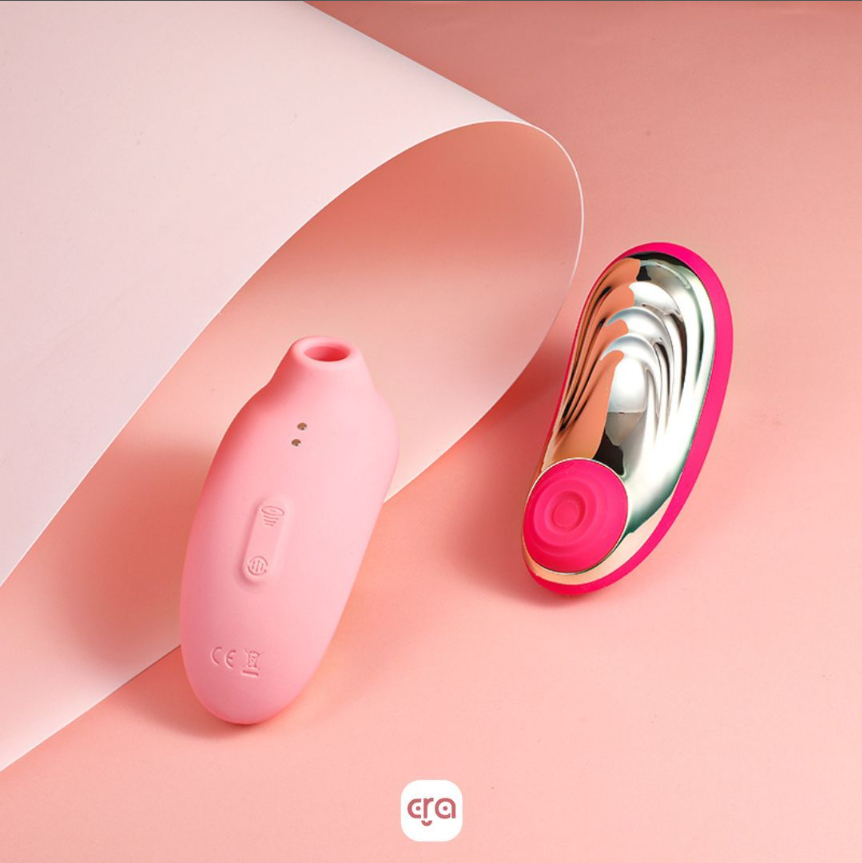
Categoria 2: Brinquedos projetados para brincadeiras compartilhadas
À medida que o conforto aumenta, alguns casais começam a se perguntar como seria explorarjuntoem vez de se revezarem.
É aqui que entram os brinquedos sexuais lésbicos projetados para um ritmo compartilhado.
Exemplos incluem:
-
Designs de duas extremidades destinados a se mover com ambos os corpos
-
Brinquedos flexíveis que se adaptam a diferentes posições.
-
Silicone macio e responsivo ao corpo que não parece rígido ou opressivo
Crassie'sDildo duplo flexível, por exemplo, foi projetado em torno dessa ideia exata:
não é performance, não é imitação—apenas movimento que responde naturalmente a dois corpos ao mesmo tempo.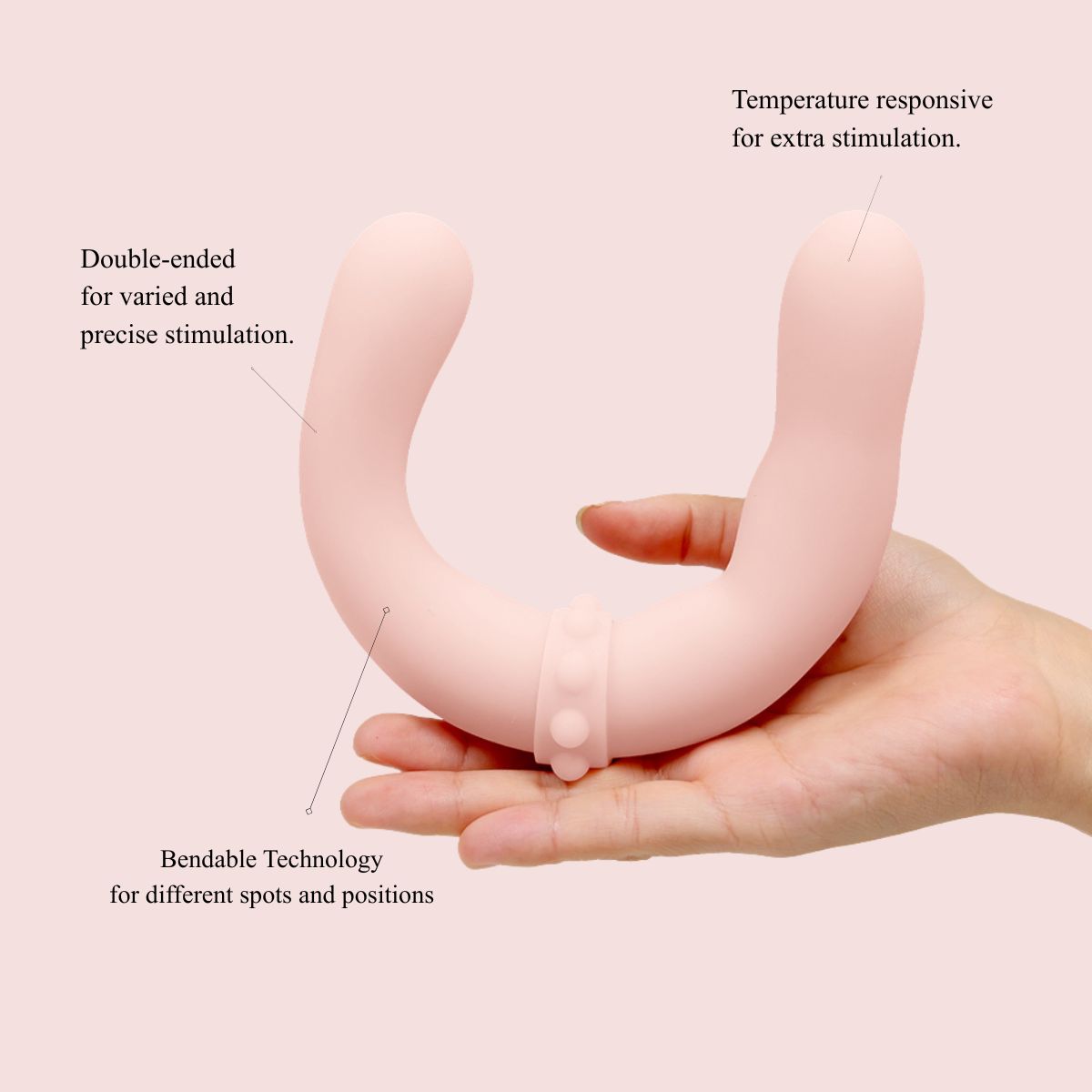
Categoria 3: Brinquedos de encaixe
Muitos queer adoram brincadeiras com strap-on. Muitos não gostam. Muitos experimentam em um novo relacionamento.
Se você tiver curiosidadeélá, algumas coisas importam mais do que qualquer outra coisa:
Conforto em primeiro lugar
Um arnês deve parecer seguro, ajustável e respirável. Crassie’sarnês de fixação estilo boxeador, por exemplo, foi criado para pessoas que querem algo que se sinta como roupa, não equipamento.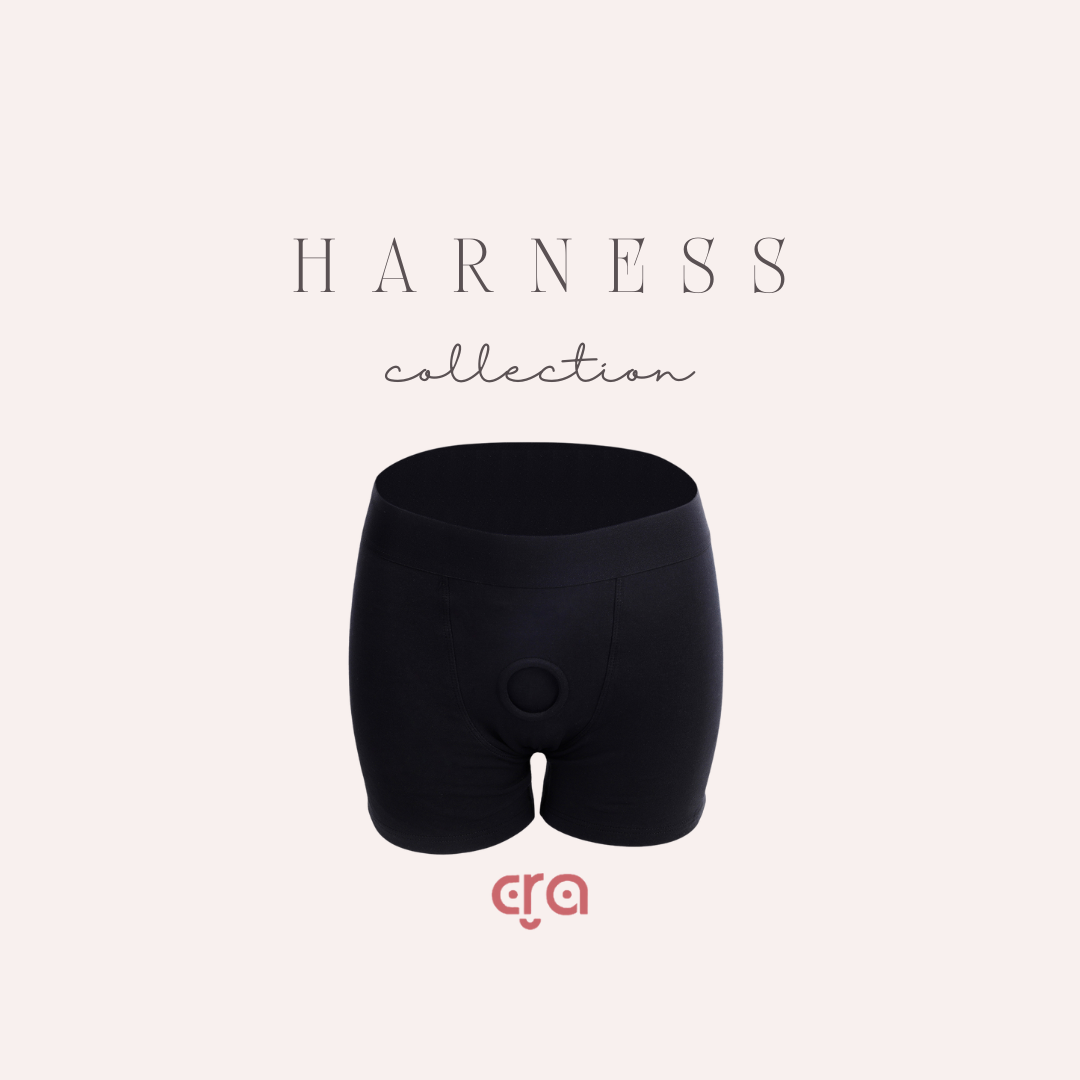
Materiais seguros para o corpo
Silicone macio e de platina é importante—para segurança, conforto e tranquilidade emocional.
Projetos que respeitam ambos os parceiros
Alguns modelos de alça mais recentes (comodildos de base de moagem) foram desenvolvidos especificamente porque as lésbicas pediram opções que apoiem o conforto e a sensação da usuária.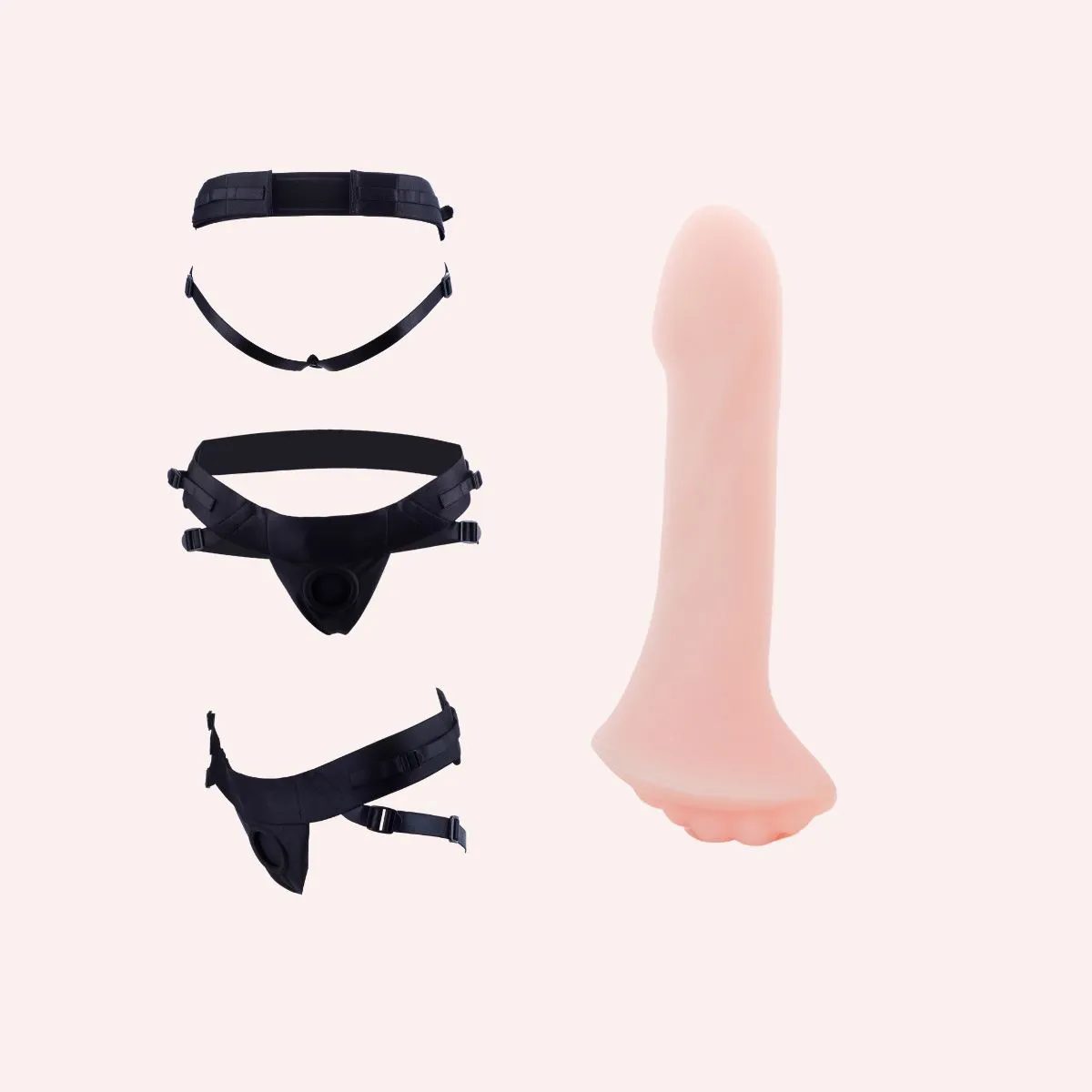
Uma nota sobre lubrificantes (discretamente essenciais)
Muitos queer só percebem isso mais tarde, então vale a pena dizer suavemente:
Lubrificante não é um "plano B".
É uma ferramenta de conforto.
Mesmo quando você já está excitado(a).
Até mesmo com brinquedos.
Principalmente com brinquedos.
Um bom lubrificante à base de água pode fazer com que tudo pareça mais suave, mais macio e menos distraído mentalmente—o que muitas vezes importa mais do que a intensidade.
Como explorá-los sem pressão
Algumas dicas que vêm diretamente da nossa comunidade:
Você não precisa "acertar de primeira".
Alguns casais introduzem os brinquedos aos poucos.
Algumas pessoas pegam uma por impulso.
Alguns nunca o fazem.
Na Crassie, não acreditamos que brinquedos sexuais lésbicos deveriam dizer como ter sexo. Acreditamos que eles deveriam:
-
Respeite os diferentes corpos.
-
Respeite o conforto emocional.
-
Evite pressão ou imitação.
-
Conexão de suporte, não a substitua.
Cada design—desde brinquedos flexíveis até arreios e opções de base de moagem—veio de ouvir as experiências da WLW, e não de tentar "atualizar" o sexo lésbico.
A exploração não se trata de se tornar outra pessoa.
Trata-se de se sentir mais confortável sendo você mesmo.
E esse é sempre o objetivo.