

When we talk about strap ons, we often focus on the toy itself: its shape, size, material, or the sensations it offers. But there's another part of the experience that deserves just as much attention: the harness holding everything together.
I've come to believe that a good strap on harness should do its job without demanding too much attention. It should feel comfortable against your skin, stay in a suitable position as you move, and allow you to focus on your partner and the moment rather than constantly thinking about what you're wearing.
For those of us in the lesbian and sapphic community, strap on play can mean different things to different people. Some couples are trying it for the first time, others have years of experience, and some are looking for a more comfortable alternative to a harness they've used for a long time.
So, what should we actually look for when choosing a comfortable strap-on harness?
What Does a Comfortable Strap On Harness Actually Feel Like?
Comfort sounds simple until you start comparing different harnesses. One may feel soft but shift around when you move. Another may hold a toy securely but feel stiff against your body. A third may look beautiful but require more adjustment than you'd like.
In my view, genuine comfort comes from several things working together.
Soft against your skin, without feeling restrictive
The first thing to consider is how the fabric feels against your body. A harness sits close to areas where rubbing, pinching, or uncomfortable pressure can quickly become distracting.
Pay attention to the fabric texture, seams, edges, and how the garment feels when you walk, sit, bend, or change positions. Something that feels comfortable when you're standing still might feel different once you start moving.
This is one reason I appreciate underwear harnesses. Rather than feeling like a separate piece of equipment, a well-designed one can feel much closer to something you already know how to wear.
Snug and supportive, not uncomfortably tight
A harness needs to stay in position, but that doesn't mean tighter is always better.
If the fit is too loose, the harness may shift or rotate. If it's too tight, it may dig into your skin, create pressure, or restrict movement. The goal is a close, supportive fit that feels natural rather than constricting.
It's also worth remembering that stretch doesn't automatically solve every sizing issue. A stretchy fabric may accommodate movement, but the overall dimensions and construction still need to suit your body.
Lightweight enough to move naturally
Some people prefer a more structured harness, while others want something that feels as unobtrusive as possible.
Neither preference is wrong. However, if you've ever found a bulky or rigid harness distracting, a lightweight design may be worth considering. The less you have to think about the garment itself, the easier it can be to settle into an experience that feels comfortable for you and your partner.
For me, the ideal balance is simple: the harness should provide the support you need without making you feel as though you're wearing more equipment than necessary.
Choose a Harness Style That Suits Your Body and Preferences
Not all strap on harnesses are constructed in the same way. Understanding the main styles can help you narrow down your options before you buy.
Underwear harnesses and brief harnesses
An underwear harness is designed to resemble familiar underwear, with a construction that accommodates a compatible toy. A brief harness is one version of this style.
For people who value simplicity and a clothing-like feel, this design can be appealing. It may be easier to put on than a harness with multiple straps and buckles, and the fabric can feel familiar against the skin.
A brief harness may be especially appealing if you prefer:
-
A close-to-body fit.
-
A soft, flexible garment rather than rigid components.
-
A straightforward design that's easy to put on.
-
A harness that feels more like underwear than specialized gear.
Of course, underwear-style designs vary. Some offer more support than others, and the attachment system determines which toys they can accommodate. Always check the product specifications rather than assuming every underwear harness works with every dildo.
Adjustable strap on harnesses
Traditional adjustable harnesses often use straps, buckles, and a separate attachment system to hold the toy.
Their biggest advantage is adjustability. Depending on the design, you may be able to change the fit or replace an attachment component. This can be useful if you have specific sizing needs or want flexibility when choosing toys.
On the other hand, adjustment points and hardware may feel more noticeable against the body. Some users love this style; others prefer something simpler.
What about beginners?
If you're new to strap on play, I wouldn't recommend choosing a harness based on appearance alone or assuming that a more complicated design must be better.
Start with the basics: Is it easy to put on? Does it fit your body? Is it compatible with your chosen toy? Can you move comfortably in it?
An underwear-style harness can be a good starting point if you want a familiar, straightforward design. An adjustable harness may be a better choice if you need more control over the fit.
You don't need to know everything before buying your first harness. You just need enough information to make a choice that suits your needs.
Fabric Matters: Why Stretch and Skin Feel Make a Difference
We spend a lot of time discussing the design of sex toys, but the material of a harness deserves similar attention.
Fabric affects how a harness sits against the body, how much it stretches, how it responds to movement, and how easy it is to care for. It's worth looking beyond a product's appearance to understand what it's actually made of.
Understanding polyamide and spandex
The Crassie Fyn Strap On Harness is made from 85% polyamide and 15% spandex.
Polyamide is a synthetic fiber commonly used in lightweight, smooth fabrics. Spandex provides elasticity, allowing the fabric to stretch and recover.
Together, these fibers can support a flexible, close-fitting construction. The exact feel still depends on the fabric's weave, thickness, finishing, and the way the garment is cut and assembled.
Why does that matter?
Because stretch can help a harness adapt to your body instead of feeling overly rigid. When the construction and sizing are right, this flexibility can contribute to a comfortable fit that moves more naturally with you.
Stretch should support your movement, not fight it
A stretchy harness isn't automatically a comfortable one. The fabric needs to work with the garment's shape and purpose.
Too little flexibility may make a garment feel restrictive. Too much stretch, or insufficient structural support, may affect how well it holds its intended position.
When comparing options, consider the whole design rather than focusing on one material specification. Ask yourself whether the garment feels comfortable, whether it maintains its shape, and whether it provides the support you need.
Here's a useful question I like to ask when thinking about underwear style harnesses:
Would I feel comfortable wearing something designed this way for an extended period, or would I be eager to take it off?
That doesn't mean every harness needs to be suitable for all day wear. It means the underlying garment should feel thoughtfully designed, rather than treating comfort as secondary to function.
Some users who have tested Fyn described it as comfortable enough to wear for hours without feeling too tight. Others highlighted its lightweight feel compared with harnesses they'd tried before.
Those experiences don't mean everyone will have the same reaction, but they illustrate why fabric and fit deserve more attention when choosing a harness.
Comfort Is Only Half the Story: Choosing a Harness That Holds the Toy Securely
A comfortable harness is important, but comfort alone isn't enough. The toy also needs to remain in a suitable position.
If a harness shifts, rotates, or requires frequent readjustment, it can become distracting. Finding the right balance between fit and support is therefore just as important as choosing a fabric you enjoy wearing.
The harness connects your movements to the toy. When it fits well and works with the toy's attachment system, it can help the toy stay in a comfortable, usable position.
When the fit is wrong, the toy may move independently of the harness or feel less controlled.
This doesn't necessarily mean the harness is poorly made. Sometimes the issue is sizing, attachment compatibility, or the relationship between the toy's shape and the harness's construction.
Check compatibility before buying
One of the easiest mistakes to make is assuming that every strap-on dildo will work with every harness.
Different designs use different attachment methods. Some rely on an O-ring, while others have a built-in holder or another type of support.
Before buying, check:
-
Whether the harness is designed for your type of toy.
-
Whether the toy's dimensions are compatible with the attachment system.
-
Whether the manufacturer provides specific fit or sizing guidance.
-
Whether the toy remains securely positioned once attached.
These checks can save you from discovering a compatibility problem after you've already bought both products.
A close fit helps, but it isn't a guarantee
A harness that fits snugly may help reduce unwanted shifting, but no fabric design can guarantee that a toy will never move.
Body shape, garment sizing, toy dimensions, attachment construction, and movement all influence stability. That's why it's worth trying the harness on with the intended toy before partnered use.
If the toy repeatedly slips, rotates, or feels awkwardly positioned, stop and check the fit and attachment rather than trying to compensate by tightening the garment uncomfortably.
What we've learned from Fyn users
When we developed the Fyn Strap On Harness, we wanted to combine an underwear feel with reliable support for compatible toys.
Feedback from lesbian users who tested it has been encouraging. One reviewer described it as comfortable and secure, noting that it kept their toys in place well. Another highlighted how naturally the toy sat when worn.
I find this feedback particularly useful because it addresses both sides of the experience: how the harness feels against the body and how it performs when holding a toy.
That combination is what I believe a well-designed harness should aim for.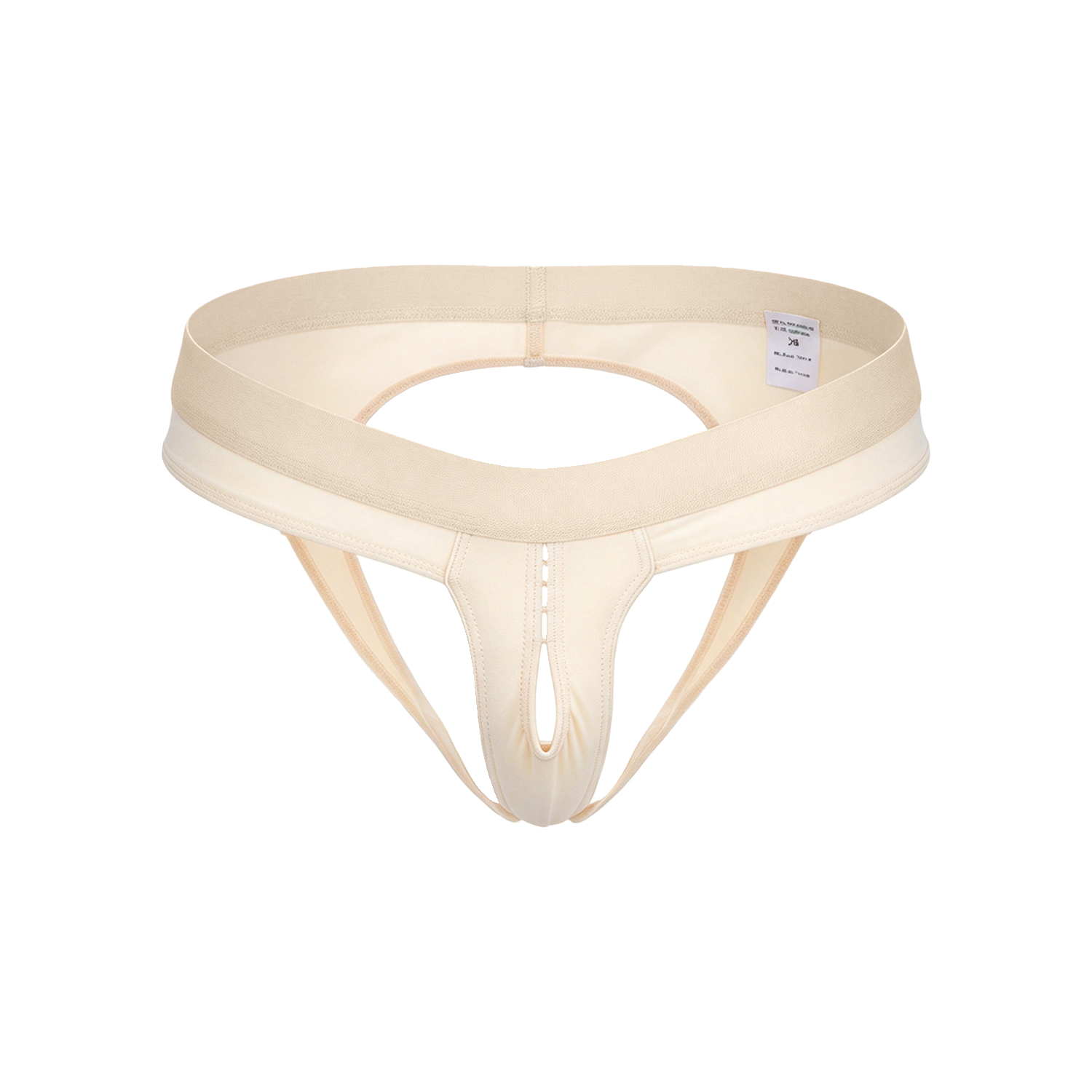
What Users Say About Comfort, Fit, and Support
Product descriptions can tell us what a harness is designed to do. User experiences help us understand what those features feel like in practice.
For Fyn, several themes appeared in feedback from lesbian users: comfort over extended wear, a lightweight feel, secure positioning, and a fit that felt true to size.
Here are a few examples.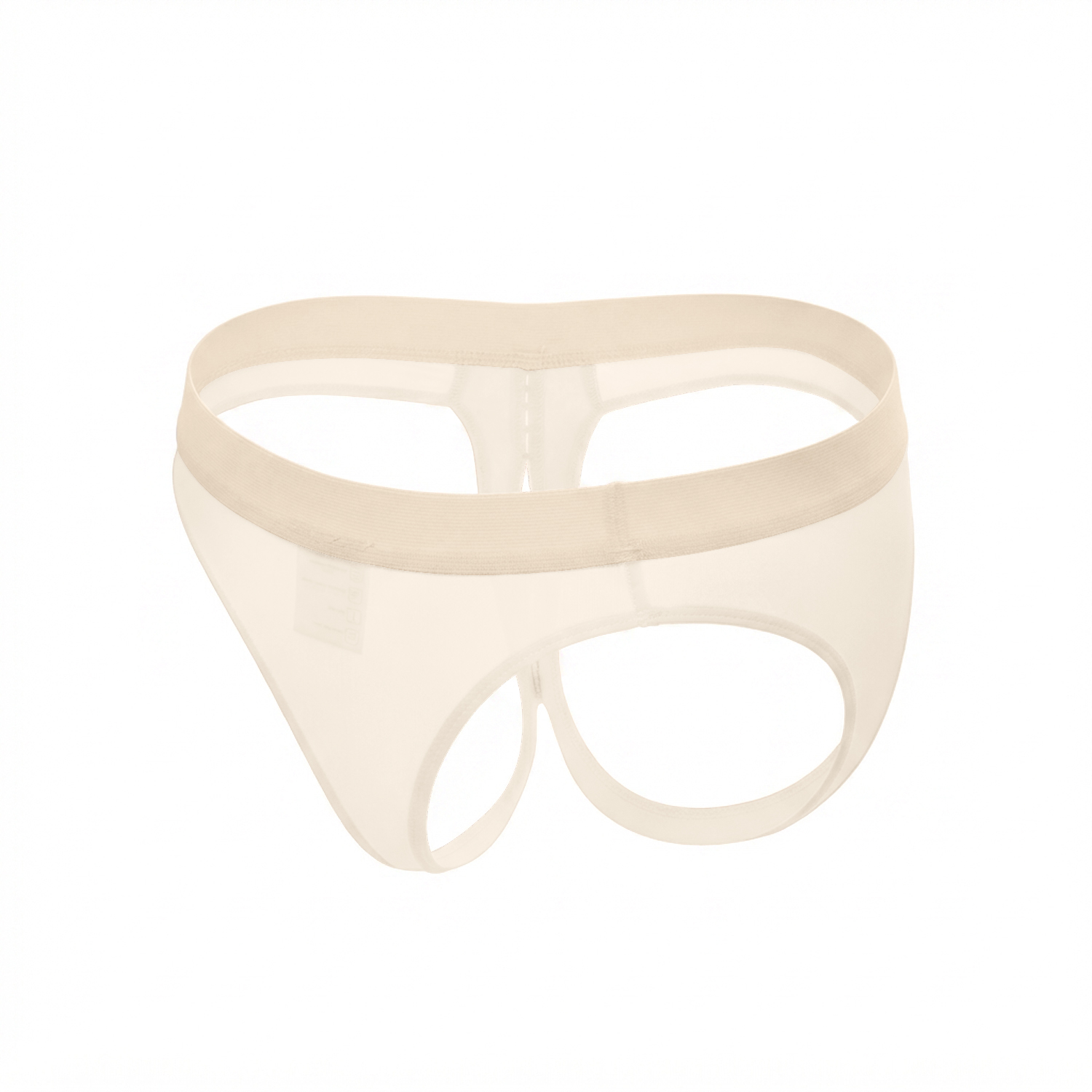
Comfortable enough to wear for hours
One reviewer shared:
“It doesn't feel tight, and I can wear it for hours without any discomfort.”
This is a useful reminder that comfort isn't just about the first few minutes after putting on a harness.
A garment may feel fine at first but become distracting if it pinches, presses, or restricts movement. Extended-wear feedback can help highlight whether the fit remains comfortable over time.
Of course, everyone's body is different. A reviewer's experience is a helpful reference point, not a guarantee that the same size or design will suit everyone.
Lightweight without sacrificing support
Another reviewer said:
“Much lighter than other harnesses I've tried, but just as secure.”
I think this captures an important design goal. A harness doesn't have to feel bulky to provide useful support.
The key is how the fabric, cut, and attachment system work together. A lighter construction may appeal to people who prefer a less noticeable garment, provided it still offers the fit and stability they need.
A natural fit that feels affirming
One customer described their experience this way:
“True to size. Comfortable. Holds the toy in a natural position. Very affirming.”
The word affirming stood out to me.
For many people in the lesbian and sapphic community, intimate products are about more than their practical function. The way something fits, feels, and works with your body can influence your confidence and sense of comfort.
I'm happy to see that feedback, but I also think it's important to be honest about what reviews mean. A handful of positive experiences can't establish that a product will work perfectly for every body or every toy.
What they can do is help us identify the features that matter to real users—and encourage us to keep listening.
How to Tell If a Strap On Harness Fits You Properly
Even a thoughtfully designed harness may feel uncomfortable if you choose the wrong size. Before making a purchase, take a few minutes to consider how the garment should fit.
Start with the size chart
Don't assume that your usual underwear size will always translate directly to a harness size.
Different brands use different measurements and construction methods. Follow the specific brand's sizing instructions, and pay attention to the measurement range rather than choosing based on the size label alone.
If you're between sizes or unsure which option is right, contact the brand for guidance.
Check the fit against your body
Once you put on the harness, pay attention to how it sits.
A suitable fit should feel supportive without digging into your skin. Look for signs such as:
-
Excessive tightness or uncomfortable pressure.
-
Fabric that bunches, rolls, or pulls.
-
A garment that feels loose or shifts too easily.
-
An attachment area that doesn't sit comfortably.
-
Difficulty moving naturally.
These details can help you determine whether you need a different size or a different harness style.
Test the fit with a compatible toy
A harness may feel comfortable when worn on its own but behave differently once a toy is attached.
Before partnered use, check that the toy fits the attachment system correctly and sits in a comfortable position. Move around gently and see whether the garment remains in place.
If something feels unstable or uncomfortable, make adjustments before continuing.
Easy Care Is Part of Everyday Practicality
A harness can feel wonderful and fit beautifully, but it's also worth considering how easy it is to maintain.
If you prefer simple care routines, check whether the garment is machine washable, whether it requires cold water, and whether there are any special drying instructions.
Fyn is machine washable, with cold washing recommended. Following the garment's care instructions can help you maintain the fabric over time.
It's also important to distinguish between caring for the harness and caring for the toy. Clean the toy separately according to its manufacturer's directions.
If you share a toy with a partner, wash it before it touches another person's genitals, or use a new condom on the toy between partners or body sites. Water-based lubricant is generally compatible with sex toys made from a wide range of materials, though it's still wise to check the toy manufacturer's guidance.
These may not be the most exciting parts of choosing a harness, but they're practical details that help make ownership easier.
Is an Underwear Harness Right for You?
By this point, you may have a clearer idea of what matters most to you. An underwear harness may be worth considering if you prefer a design that feels familiar, is straightforward to put on, and offers a close-to-body fit.
It may be particularly appealing if you:
-
Prefer soft, flexible fabric to a more rigid construction.
-
Want a lightweight garment that feels similar to everyday underwear.
-
Value a snug fit that helps keep a compatible toy in position.
-
Prefer a simple design without numerous adjustment points.
-
Want a harness that's easy to care for.
On the other hand, you might prefer an adjustable harness if you need a wider range of fit adjustments, want to use different attachment components, or have specific support requirements.
Neither option is automatically the best strap-on harness for everyone. The right choice depends on your body, your preferred style, the toy you plan to use, and what makes you feel comfortable.
Where Fyn fits into the picture
We designed the Crassie Fyn Strap-On Harness around the idea that practical support and everyday comfort shouldn't have to compete.
Its 85% polyamide and 15% spandex fabric provides stretch, while its underwear-inspired construction is intended to create a lightweight, close-to-body feel. Feedback from lesbian testers has highlighted its comfort, fit, and ability to hold compatible toys in a natural position.
I'm proud of that feedback because it speaks to the kind of design questions we want to keep asking: Can a harness feel more familiar? Can it be easier to wear? Can it provide useful support without feeling unnecessarily bulky?
Fyn is one example of how we're exploring those questions, but the broader lesson applies to any harness you consider: look at the whole experience, not just the product photograph.
After thinking through fabric, fit, support, and everyday practicality, I keep coming back to one principle: a good harness should work with your body, not ask you to put up with unnecessary discomfort.
What matters is knowing what you're looking for and understanding the details that affect the experience.
For me, the most useful starting points are simple: choose a suitable size, look for fabric and construction that feel comfortable against your skin, confirm that your toy fits securely, and pay attention to how the combination behaves when you move.
The feedback we've received from lesbian users who have tried Fyn has reinforced why these details matter. Their comments about lightweight comfort, a natural fit, and secure toy positioning are encouraging, and they help us understand what people value in an underwear-style harness.
If you're looking for a harness that prioritizes a familiar underwear-like feel, flexible fabric, and support for compatible toys, the Crassie Fyn Strap On Harness is one option to explore.
Ultimately, you don't need the most complicated harness, the most expensive one, or the one everyone else recommends. You need the one that fits your body, works with your toy, and helps you feel comfortable and confident in your own way.
And I think that's a much better place to start.